01
Bring product data in.
Connect DK, WooCommerce or Plytix, or import a spreadsheet. Nothing to rebuild.
 Product information
Bring product data in from your ERP, enrich it in one place and publish it to every storefront, marketplace and screen — so you sell more, with less work.

 WooCommerce
 Medusa
 ShopifySoon
 Soon
Soon Business CentralSoon
 DineoutSoon
 Soon
Soon Soon
SoonKeep product information consistent, complete and on brand across every channel. Make a change in PIM, and it syncs to every connected channel.
Connect DK, WooCommerce or Plytix, or import a spreadsheet. Nothing to rebuild.
Add the content, imagery and channel-ready details that make every product easier to discover and buy.
Changes sync to your connected channels and kiosks automatically. Every channel works from the same record.
One flexible product model, rule-based segments, an open API for your own AI, and a kiosk app that puts it all in front of customers.
PIM is API-first. Connect Claude, ChatGPT or your own models with scoped API credentials and let them read and update your catalog.
Define a product group once with rules, then use it to drive integrations and kiosk navigation. When products change, segments keep up on their own.
Create your own attributes — text, numbers, dates, media, dropdowns and multi-select tags — and add as many as your products need.
Put your catalog on tablets with the PIM kiosk app: branded templates, segment navigation, and it keeps working offline.
Start from your ERP data and add everything commerce needs: content, structure, media and context. Every channel then works from one governed record.
Commercial copy, technical specs, media and channel-specific values live in one place, while your ERP stays the source of truth.
Group fields into families and apply the right model to every category, from ten products to tens of thousands.
Map each attribute to each channel’s fields, and translate option values on the way out with value maps.
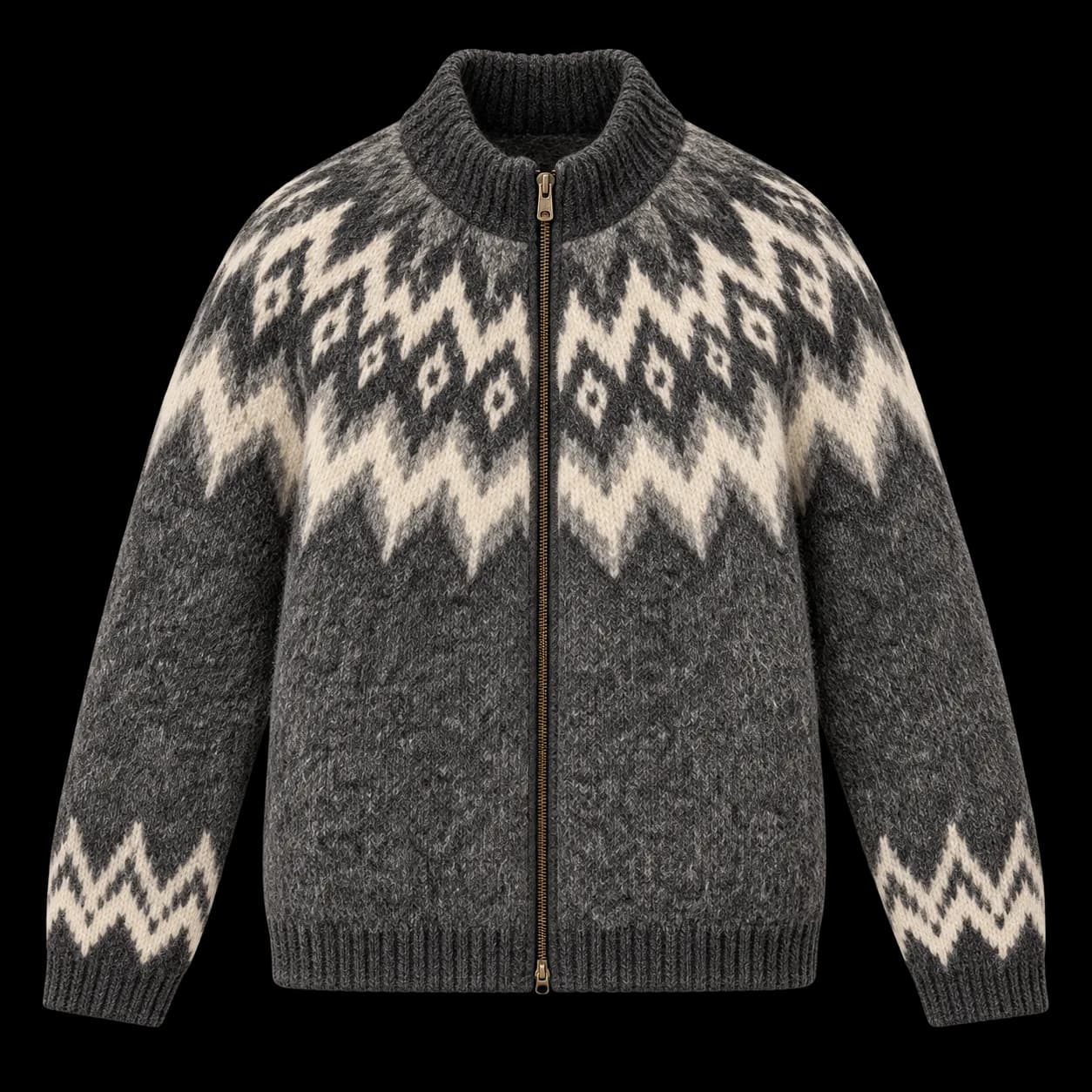
A warm, durable cardigan made from Icelandic wool with a traditional Nordic pattern and a relaxed everyday fit.
No rigid templates. Describe every product with the attributes that matter to it, then let segments decide where it belongs and where it goes.
Segments are rules, not lists: build the rule once, and products move in and out on their own as their data changes.
Connect Claude or ChatGPT to PIM in a minute: paste one URL, sign in, and ask for what you need in plain language. Your AI reads the catalog, shows you the changes, and writes them back, which then sync to your channels like any other edit.
Put products in front of customers on tablets, using the same products and segments that feed your channels. No copying, no second system.
Pick the products with segments, choose which fields to show, and style it with your colours and logo. Changes in PIM reach every kiosk.
Read about kiosk templatesCustomers browse and search your live catalog on a tablet.
Your segments become the menu, nested as deep as you need.
An idle-screen loop that draws people over to the kiosk.
The catalog is stored on the device and keeps running without Wi-Fi.
No, and it shouldn’t. Your ERP stays the source of truth for item numbers, pricing and stock. PIM imports from it on a schedule, then enriches every product and publishes it to your connected channels and kiosks.
Today PIM imports from DK, WooCommerce and Plytix, publishes to Medusa in near real time, and powers the PIM kiosk app. Shopify, Wolt and Business Central are on the way. Anything else can connect through the REST API and product feeds.
Completely. Create your own attributes — text, numbers, media, dates, dropdowns and multi-select tags — add as many as your catalog needs, and group them into families for each category. The model grows with you, from fifty products to a hundred thousand and beyond.
Yes. Connect Claude or ChatGPT by pasting one URL and signing in with PIM, or use the REST API for your own tools. Changes your AI makes sync to your channels like any other edit, and you can disconnect it at any time.
Every plan starts with a 7-day free trial of Business. No card needed. USD, billed monthly. Need more than 100,000 products? Talk to us.
Connect your product information to the systems that run your business and the channels where customers buy.